


Why Accomplishing Something Doesn't Make You Feel Better
Sometimes achieving a goal doesn’t bring the happiness or relief you expected. When accomplishment becomes tied to self-worth, safety, or feeling “enough,” success can provide only temporary relief before the next goal appears. Learning to separate achievement from worth can help you slow down, recognize your accomplishments, and experience greater fulfillment.

Is This Relationship Anxiety or OCD?
Relationship anxiety and relationship OCD can look similar, especially when you find yourself questioning your feelings or your relationship. The difference often lies in the cycle of obsessive doubt and compulsive attempts to find certainty. Understanding that pattern can help you step away from constant evaluation and create more space for connection.

Being “High Functioning” Doesn’t Always Mean You’re Doing Okay
Being “high functioning” can make emotional struggles easy to overlook. You may meet deadlines, care for others, and keep everything together while feeling anxious, exhausted, or overwhelmed underneath it all. Functioning well does not mean you are doing well. You deserve support even when your life looks fine from the outside.

Why Reassurance Makes OCD Worse
Reassurance can feel comforting when OCD leaves you overwhelmed by doubt, but repeatedly seeking certainty can keep the OCD cycle going. Instead of trying to find the perfect answer, recovery involves learning to tolerate uncertainty, resist compulsions, and trust yourself to move forward even when you cannot know everything for sure.

What Anxious Attachment Actually Feels Like
Relationship anxiety can make a delayed text, a change in someone's tone, or a canceled plan feel much bigger than it really is. If you have anxious attachment, you may find yourself constantly worrying that something is wrong, even when your relationship is healthy. This article explores what relationship anxiety actually feels like, why it happens, and how healing is possible while still caring deeply about the people you love.

The Hidden Cost of Being the Responsible One
Being the responsible one often feels like something to be proud of, but it can also become emotionally exhausting. If you're always taking care of everyone else, solving problems, and carrying more than your share, you may be paying a hidden emotional cost. Learn why this pattern develops, how it fuels anxiety and burnout, and what it looks like to care for others without losing yourself in the process.

Why Do I Feel Responsible for Everyone Else's Emotions?
Do you constantly worry about how other people are feeling or feel like it's your job to keep everyone happy? While caring about others is healthy, carrying responsibility for their emotions can lead to anxiety, burnout, and resentment. Learn why this pattern develops, how it affects your relationships, and how healthy boundaries can help you care without losing yourself.

Overcoming Imposter Syndrome: 8 Evidence-Based Strategies
Break free from imposter syndrome with 8 evidence-based strategies designed for creatives and high achievers. Learn how to challenge self-doubt, build confidence, and take action—even when you don’t feel ready.

Creative Block Isn’t a Discipline Problem
Creative block isn’t just about discipline—it’s often a nervous system response to pressure, perfectionism, and emotional risk. At Muse Therapy, we help creatives understand the deeper patterns behind feeling stuck, overwhelmed, or inconsistent. Through a blend of somatic therapy, insight-oriented work, and practical tools, we support the whole person behind the creative—so you can move out of burnout cycles and into sustainable, meaningful momentum. Whether you’re an artist, entrepreneur, or high-achiever navigating creative block, Muse Therapy offers therapy designed to help you feel grounded, clear, and able to create again.

The easiest way to waste months as a screenwriter
The easiest way to waste months as a screenwriter isn’t procrastination—it’s over-preparation. Endless outlining, craft books, and rewriting Act One often mask fear, not discipline. Most writers don’t have a talent problem; they have a safety problem. Momentum doesn’t come from certainty. It comes from writing the messy, honest draft you’re avoiding.
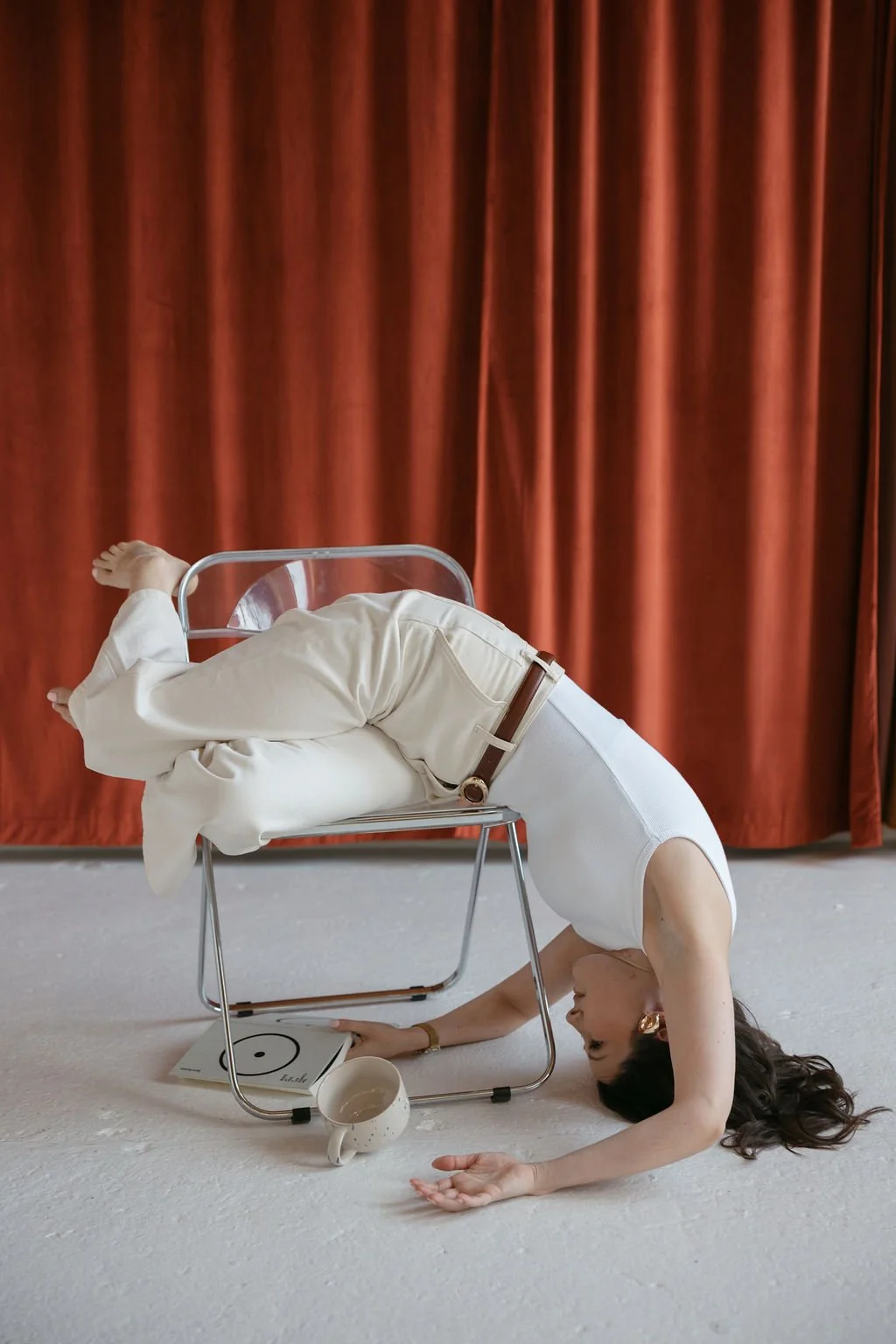
Creative burnout doesn’t always look like breaking down
Creative burnout doesn’t always look like breaking down.
More often, it looks like quietly going numb while life keeps asking for more.
I work with creatives, and the most common thing I hear when they’re stuck isn’t “I’m lazy.”
It’s: “I can’t seem to make myself care.”
Burnout isn’t a lack of ambition or willpower.
It’s a nervous system that’s been in survival mode for too long.
It’s the emotional cost of over-functioning, people-pleasing, and carrying more than your share without real recovery.
Burnout isn’t just doing too much—it’s carrying too much alone.
If this resonates, you’re not broken.
You’re exhausted, overwhelmed, and overdue for support.
Restoration isn’t quitting.
It’s how you come back to yourself.

Therapy for Writers: How to Get Unstuck Without Killing the Magic
Writers often fear that therapy will make them too “well-adjusted” to create meaningful work—that healing might dull their edge or silence their voice. But what if therapy doesn’t erase the magic… it protects it?
In this post, we explore how therapy can help writers move through blocks, reconnect with creativity, and write from a place of truth—not trauma. If you’re stuck, burned out, or scared to be seen, this is your sign: it’s not the end of your creativity. It might just be the beginning of writing something more honest than ever.

Break Free: 17 Powerful Ways to Overcome Creative Block & Imposter Syndrome with Therapy for Creatives
Struggling with creative block, imposter syndrome, or burnout? Discover expert therapy for creatives and entertainment professionals and learn how to reignite your inspiration today.

How to Stay in Love: Daily Habits to keep the spark alive
Keeping the spark alive in a relationship isn’t about grand gestures—it’s about small, daily habits that foster connection and intimacy. From morning affection to laughter, gratitude, and quality time, these simple practices can strengthen your bond and reignite the romance. Ready to deepen your connection? Start with these ten habits today!

Signs You Need Therapy as a Creative
Feeling stuck in a creative rut? Maybe you’ve been battling perfectionism, doubting your work, or just feeling blah about creating lately. You’re not alone—so many artists, writers, and creatives deal with burnout, imposter syndrome, and creative blocks that make it hard to keep going. If you’ve been second-guessing every decision, comparing yourself to others, or feeling like your work is never good enough, therapy might be exactly what you need. At Muse Therapy, we get creatives. We help artists break through self-doubt, manage stress, and find balance so they can actually enjoy creating again. Because let’s be real—your art is important, but so is your well-being.

The Intersection of Mental Health and Creativity: Can Therapy Make You a Better Artist?
While intense emotions can be inspiring, constant distress actually limits creative thinking. I used to believe that if I wasn’t in some kind of emotional turmoil, my work wouldn’t feel as raw or authentic. But the truth is, when I was overwhelmed by anxiety, I wasn’t creating at all.

Why Is Setting Boundaries So Hard?
Setting boundaries is often harder than it sounds, especially for those who want to help and be there for others. But learning how to say no, without guilt, is essential for protecting your energy and emotional health. In this post, we explore why boundaries are so difficult and offer practical tips to help you start setting healthy limits in your relationships.